It’s Not Just Arms — And It Never Was
If you’ve ever told someone you row, you’ve probably heard it: “Oh wow — your arms must be strong.” And yes, your arms work. But if rowing were just an arm workout, boats wouldn’t move very fast.
The truth? Rowing is a full-body chain reaction. And the muscles doing the most important work are often the ones nobody talks about. Let’s give them some credit!
1. The Glutes — Your Real Engine
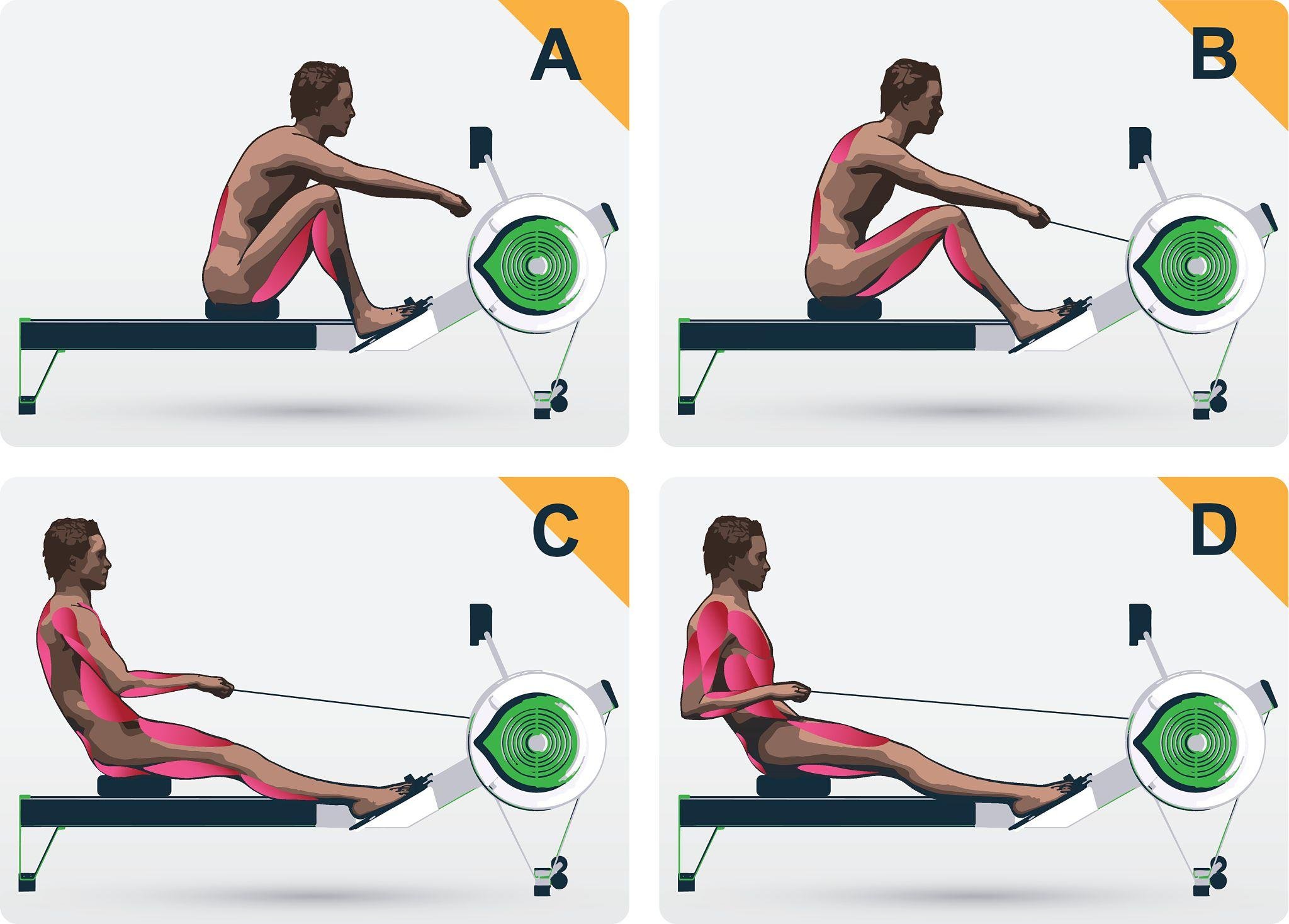
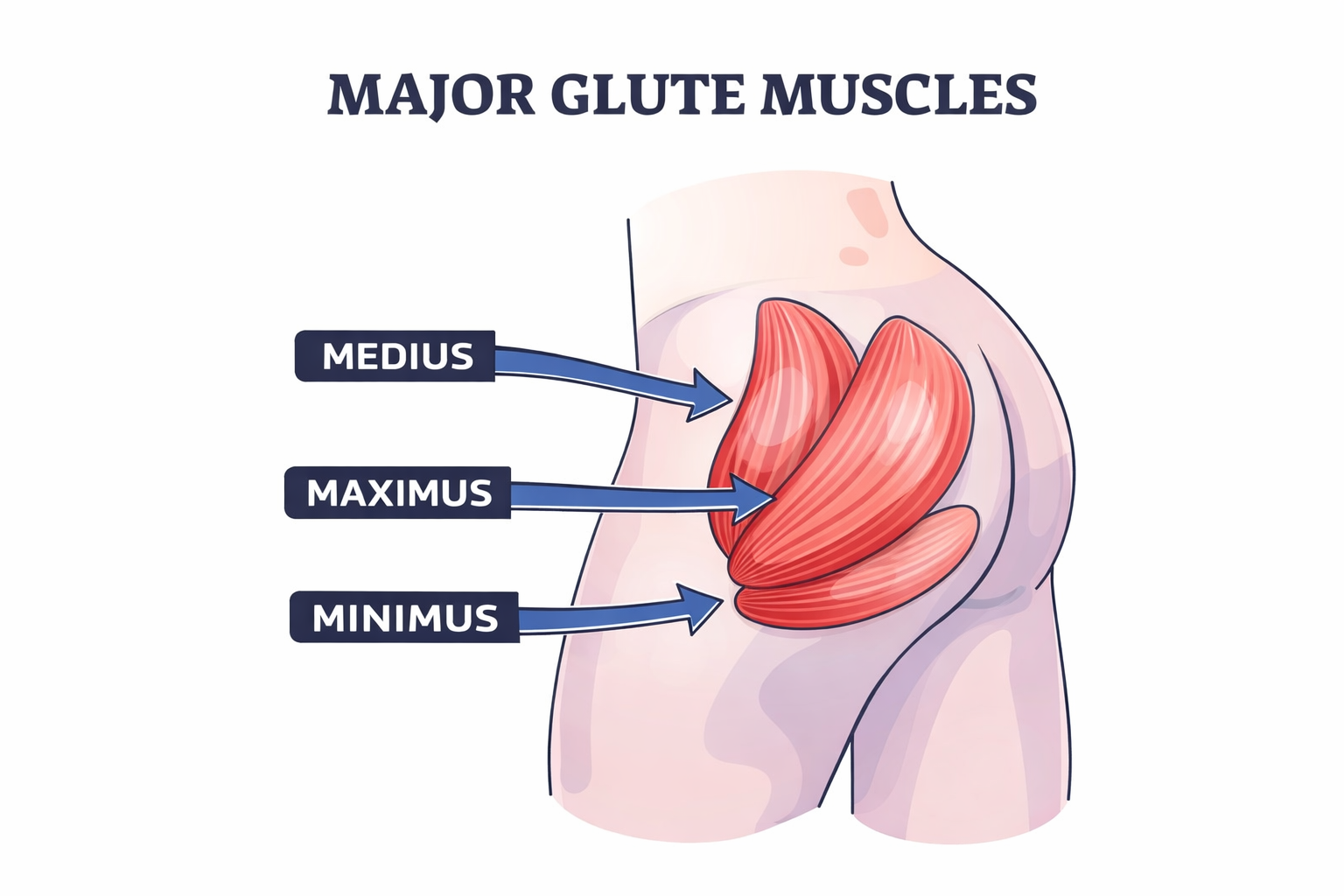
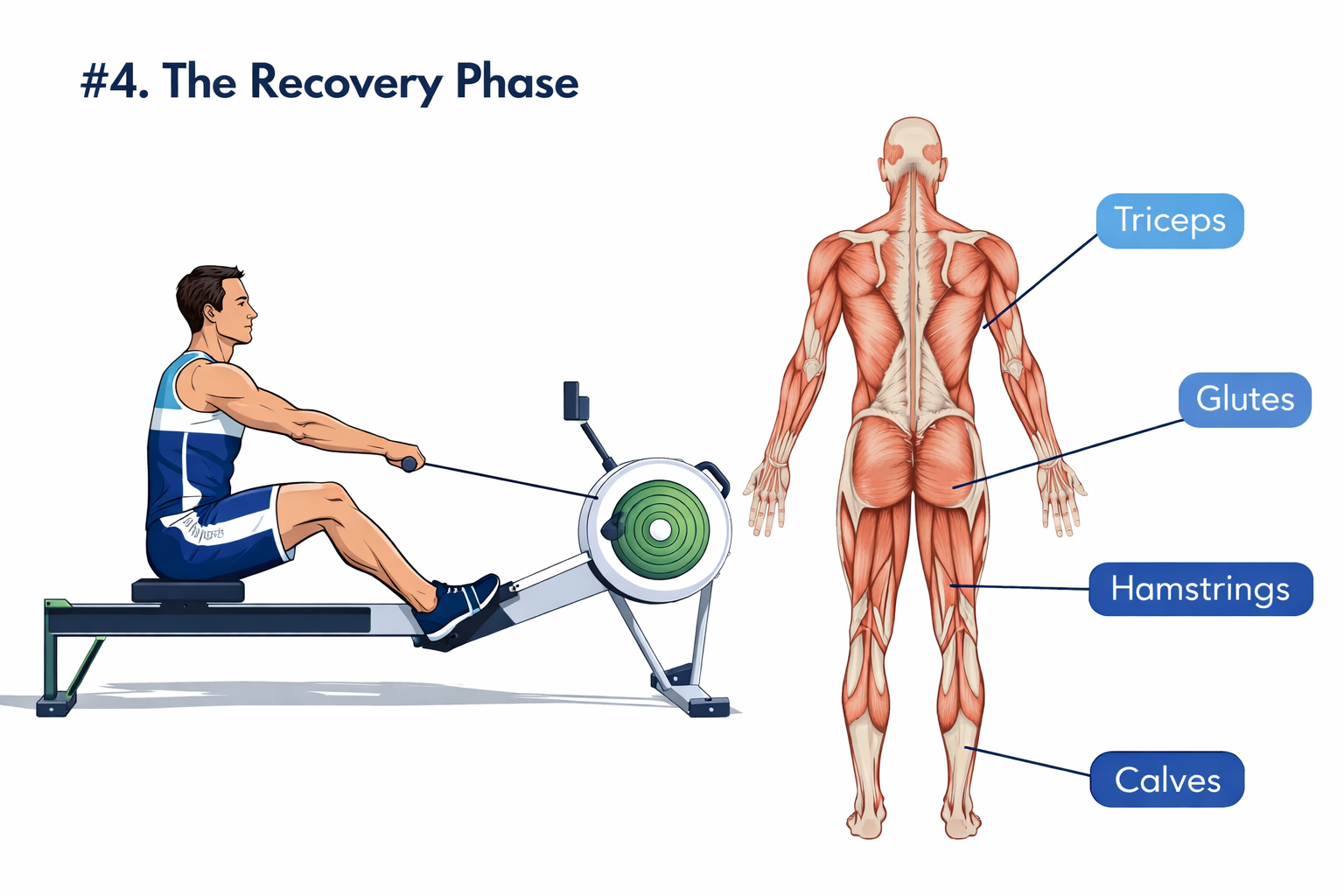
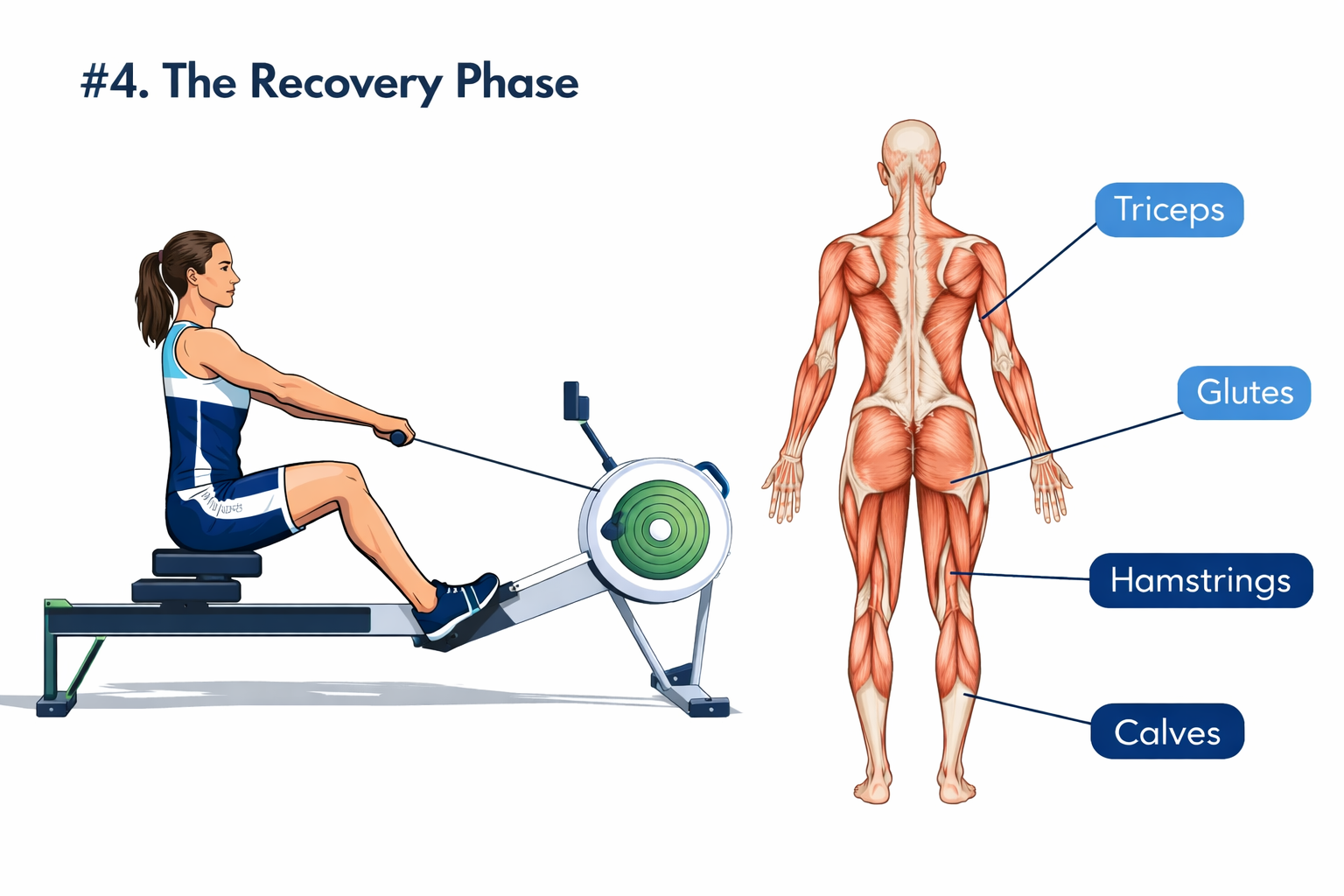
If rowing had a secret superstar, it would be the glutes. Every powerful drive starts with the legs. When you push through the footplate, it’s not your arms launching the boat — it’s your hips extending. Strong glutes transfer force from legs to torso and into the handle.
Underdeveloped glutes? You’ll feel it in your lower back. Engaged glutes? The boat surges.
On the sea, where stability matters, they work even harder to keep you grounded when the hull shifts beneath you.
2. The Core — Not Just Abs
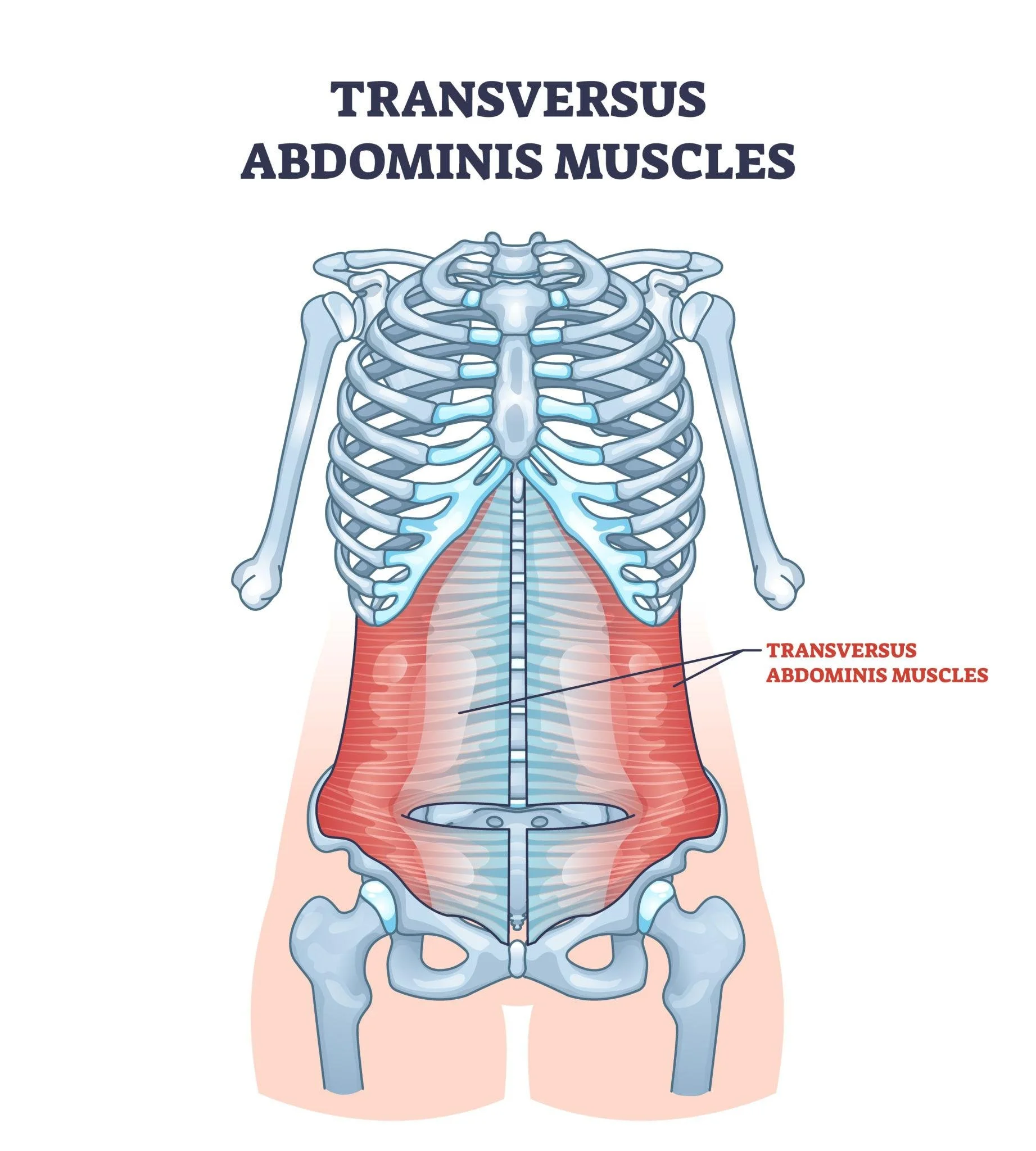
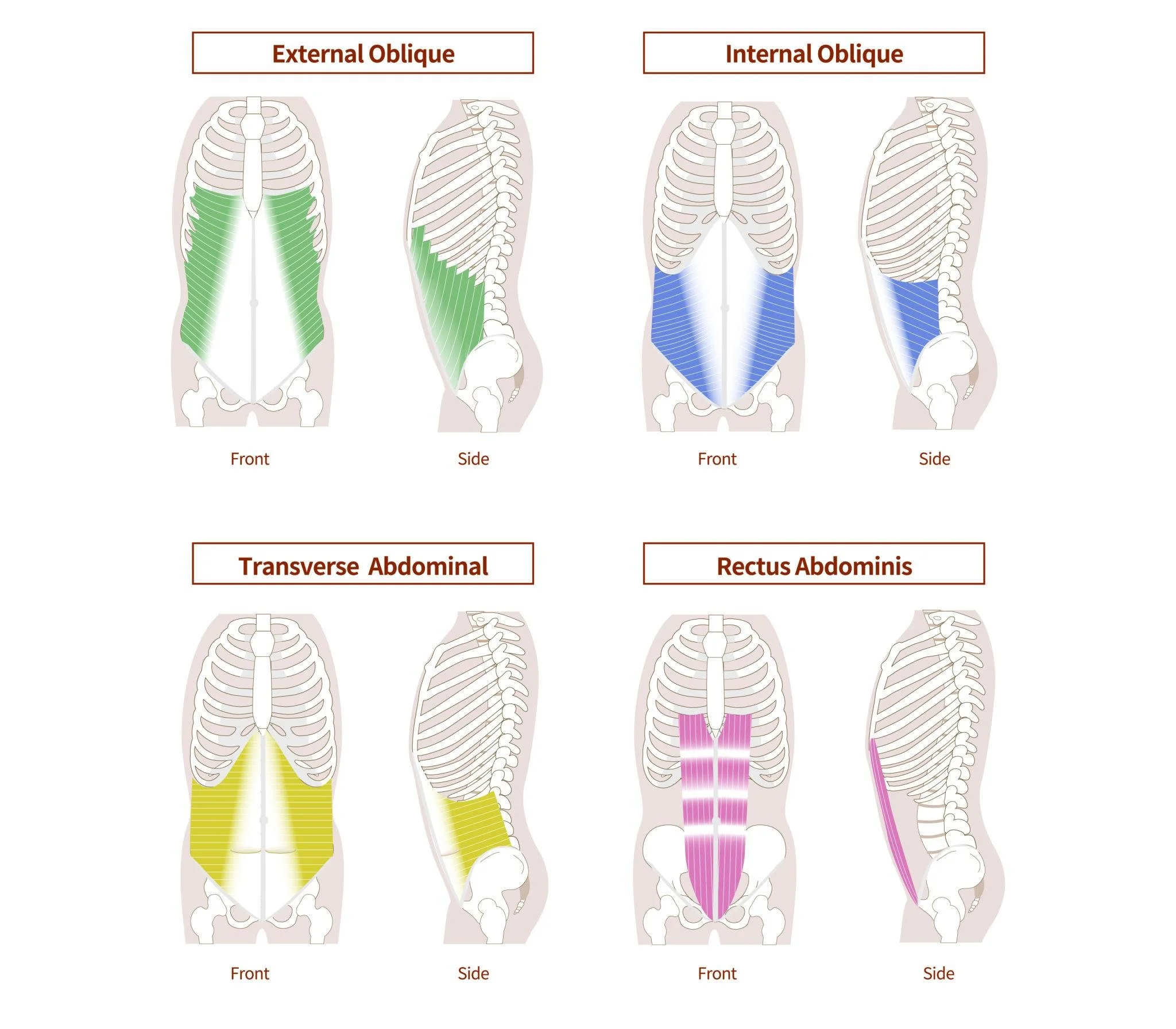
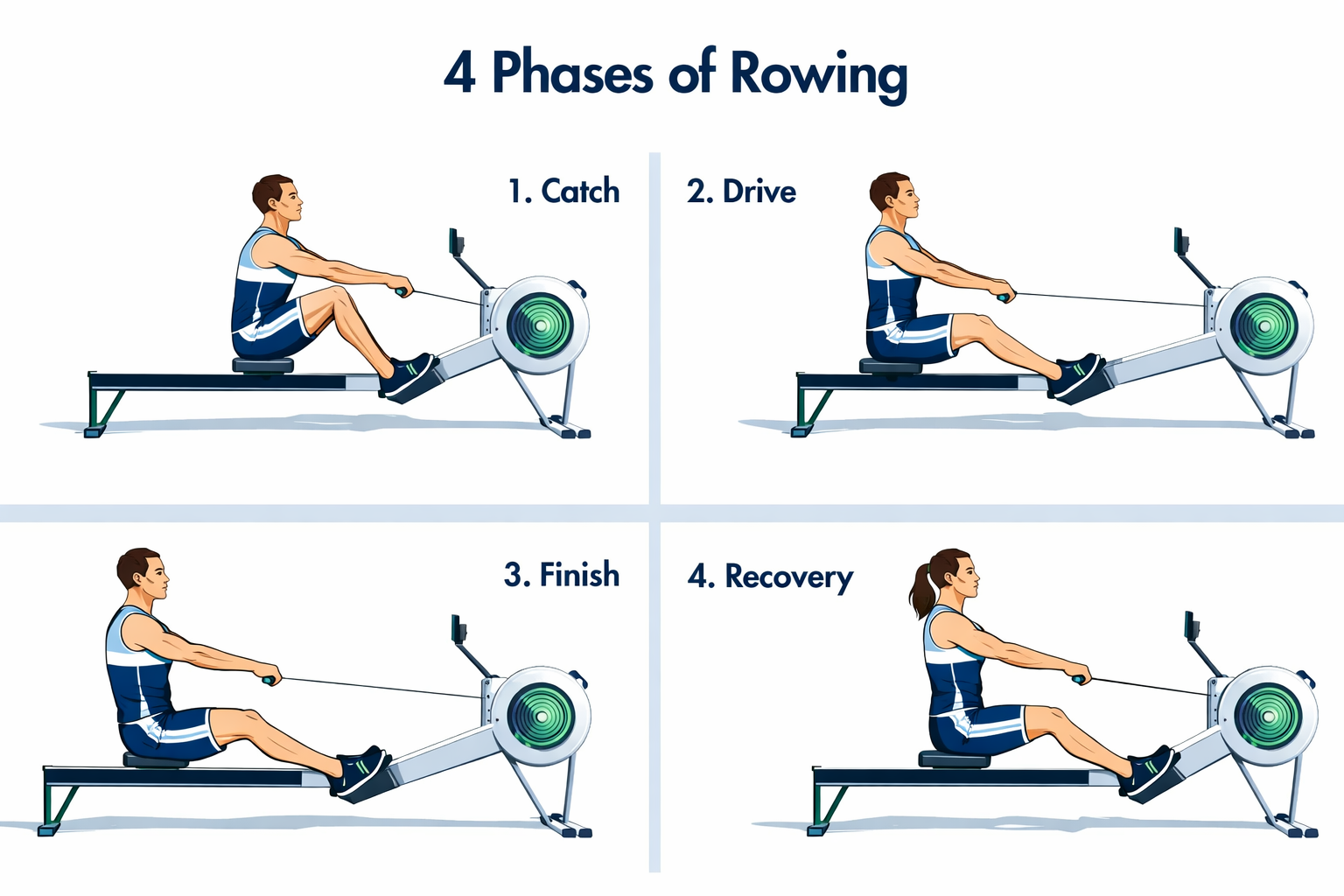
When people say “core,” they usually mean abs. But rowing uses far more than a six-pack.
Transverse abdominis (your deep stabiliser)
Obliques (rotation control)
Lower spinal stabilisers
Your core’s job isn’t to crunch — it’s to transfer power. It connects your leg drive to your upper body pull. It keeps the boat set. It protects your spine.
In coastal conditions, your core is constantly making micro-adjustments to maintain balance. You might not see it working, but you’d definitely notice if it stopped.
The Lats — The Silent Pullers
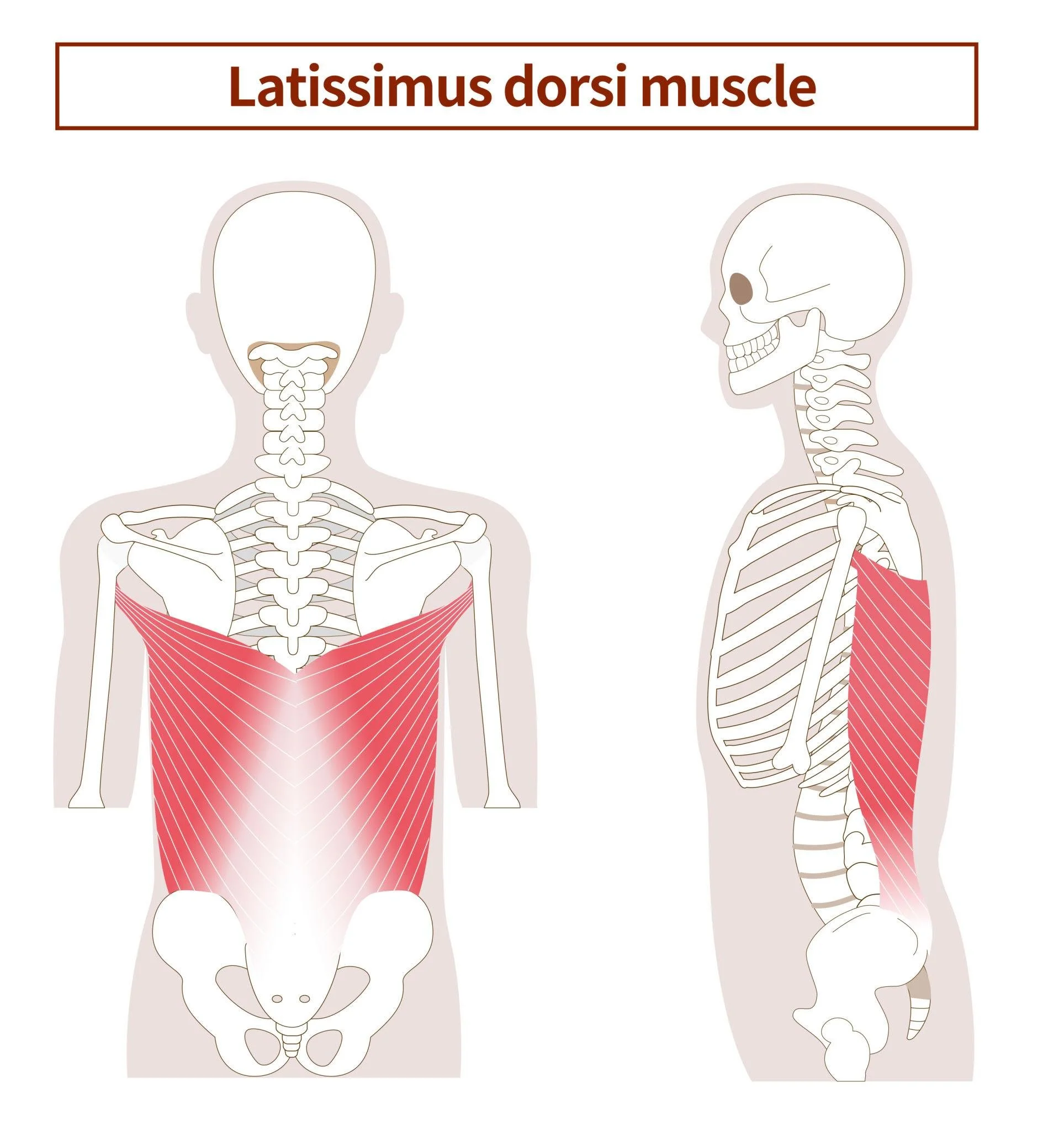
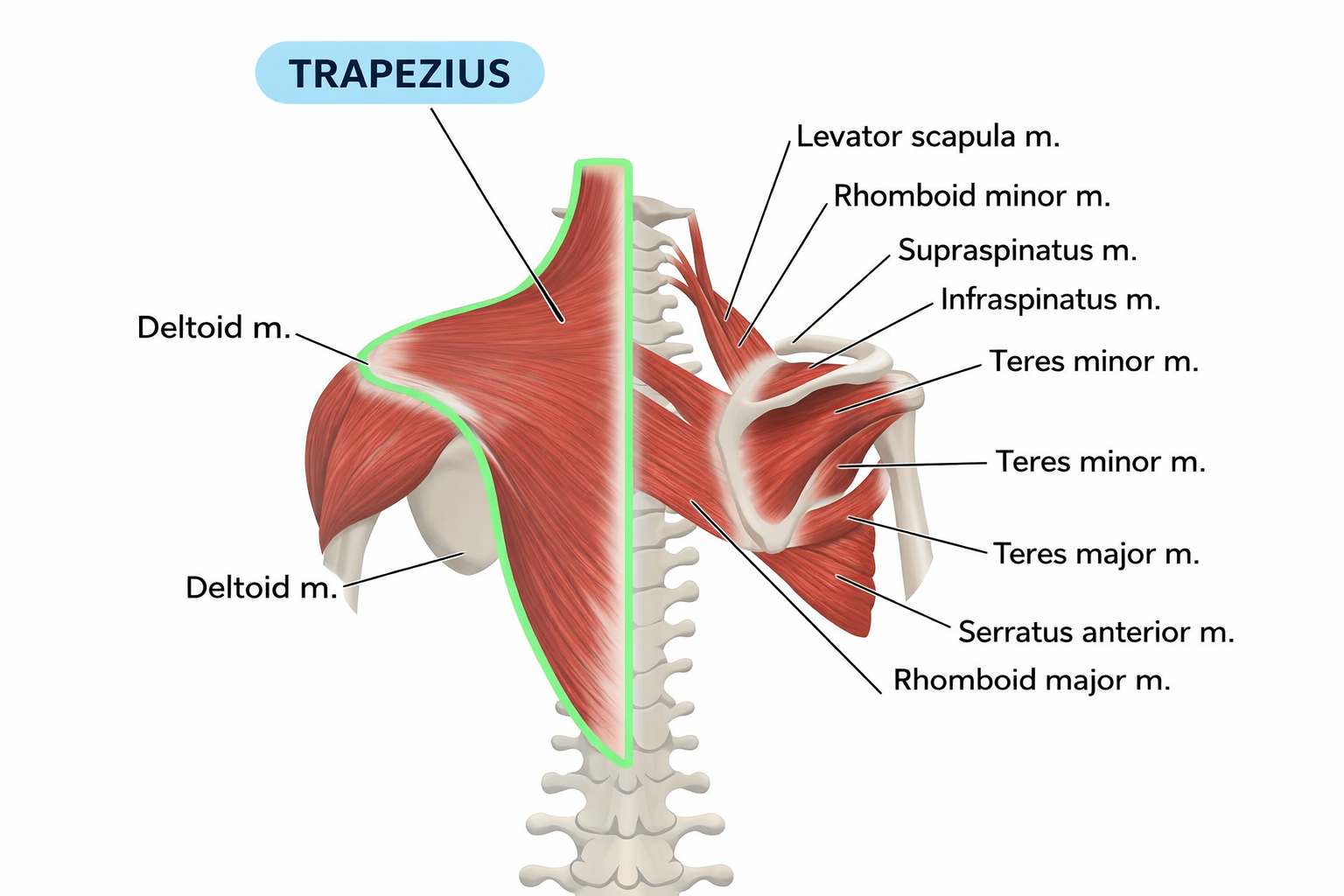
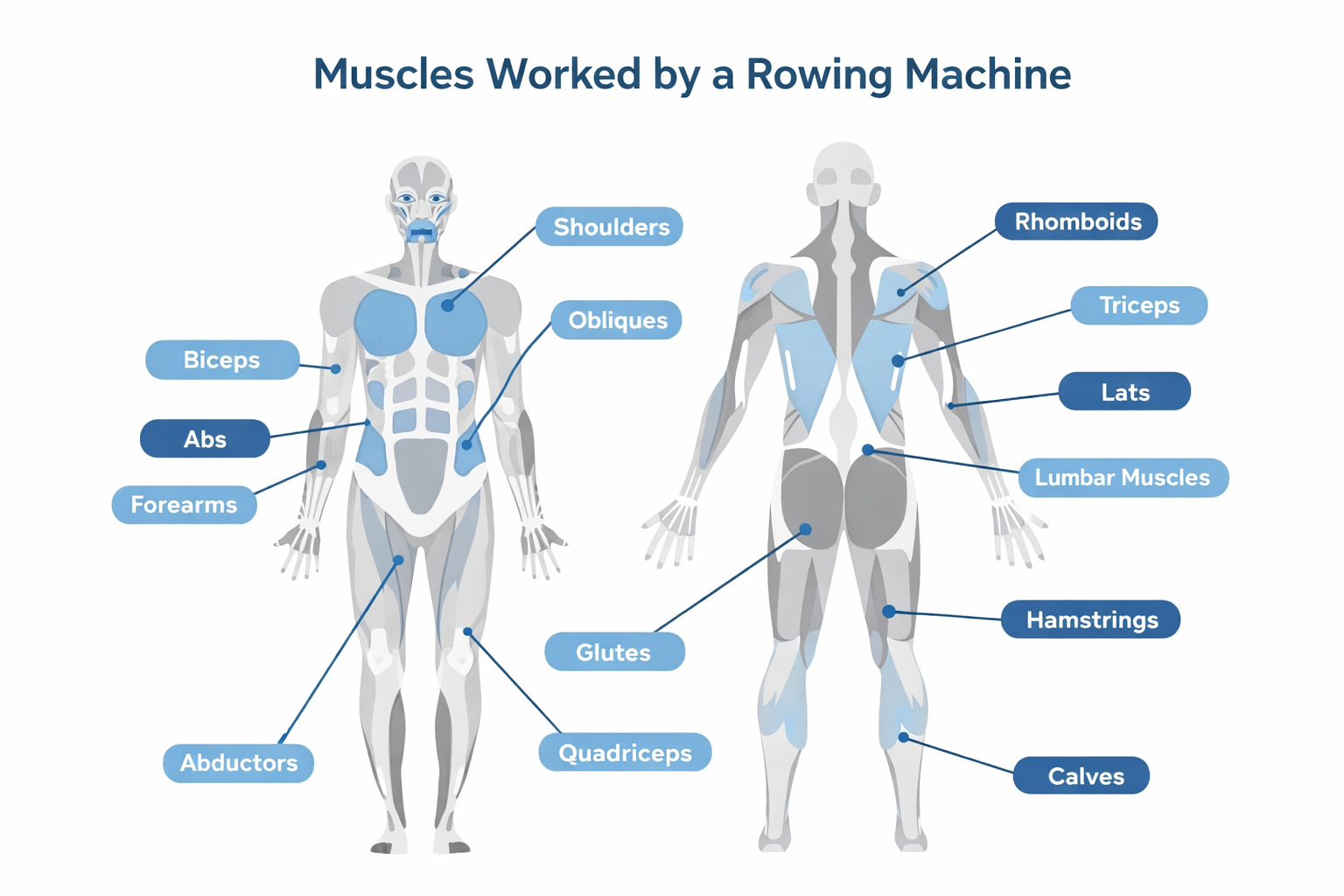
Those wide muscles across your back? They’re doing far more than you think.
The latissimus dorsi connects your arms to your torso. When you draw the handle in, it’s your lats anchoring the movement — not just your biceps.
This is why rowing builds that distinctive strong-back posture. Done well, rowing opens the chest, strengthens the upper back, and counters hours of desk sitting.
Good rowing feels like hanging off the handle with your back, not curling it with your arms.
4. The Hip Flexors & Hamstrings — The Control System
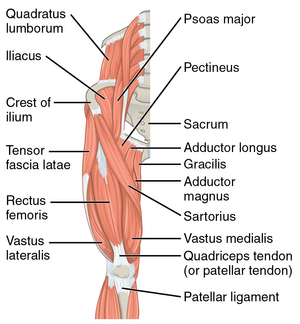
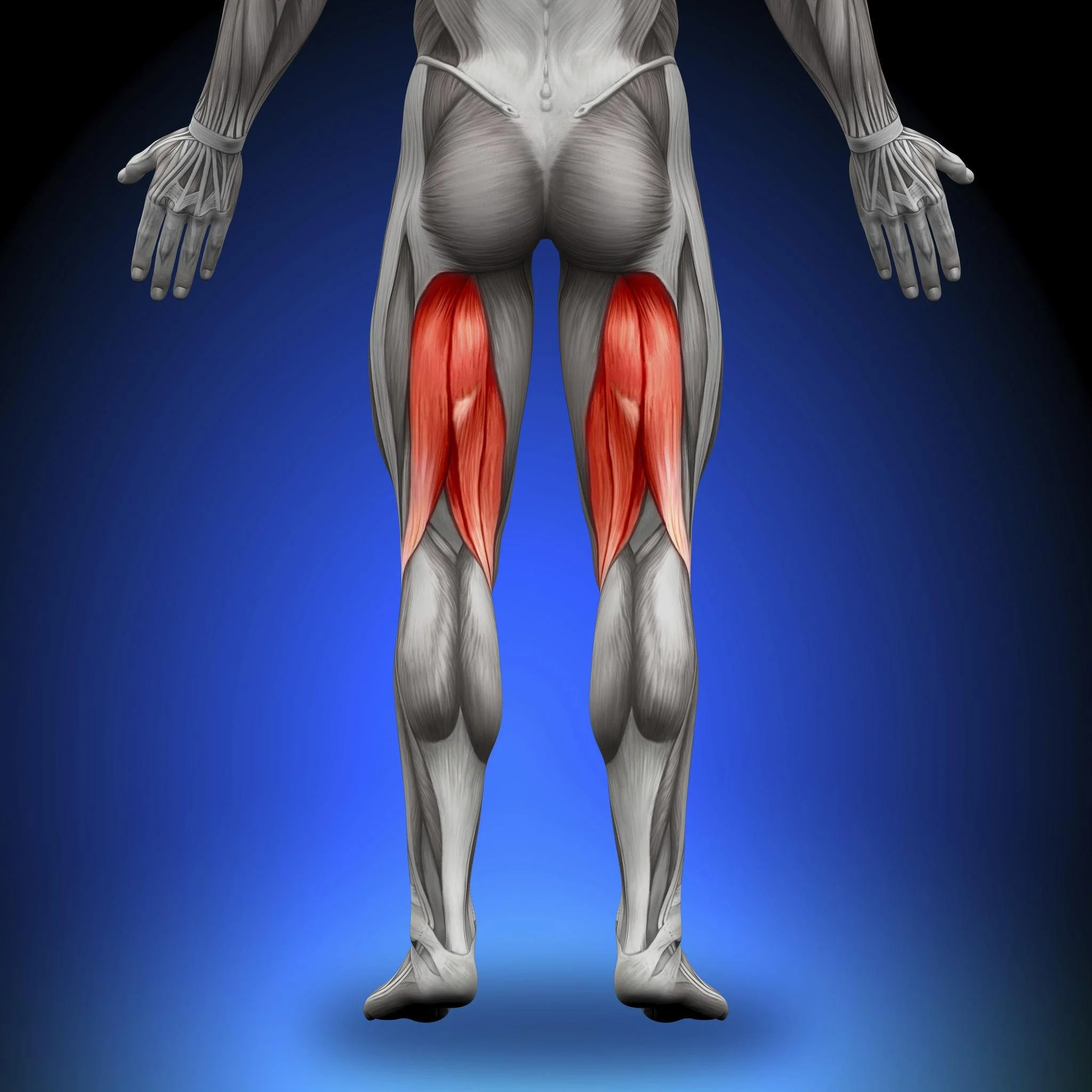
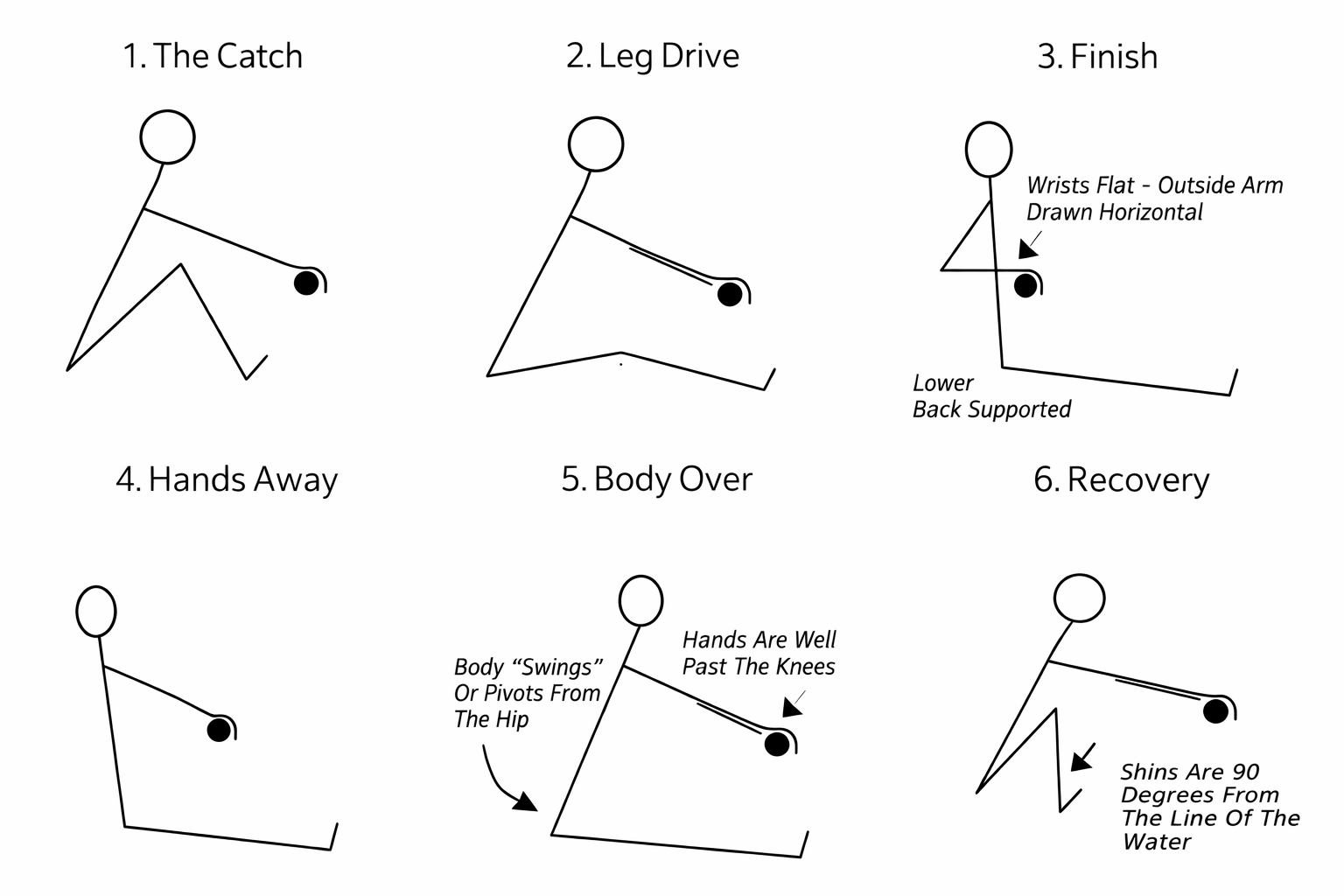
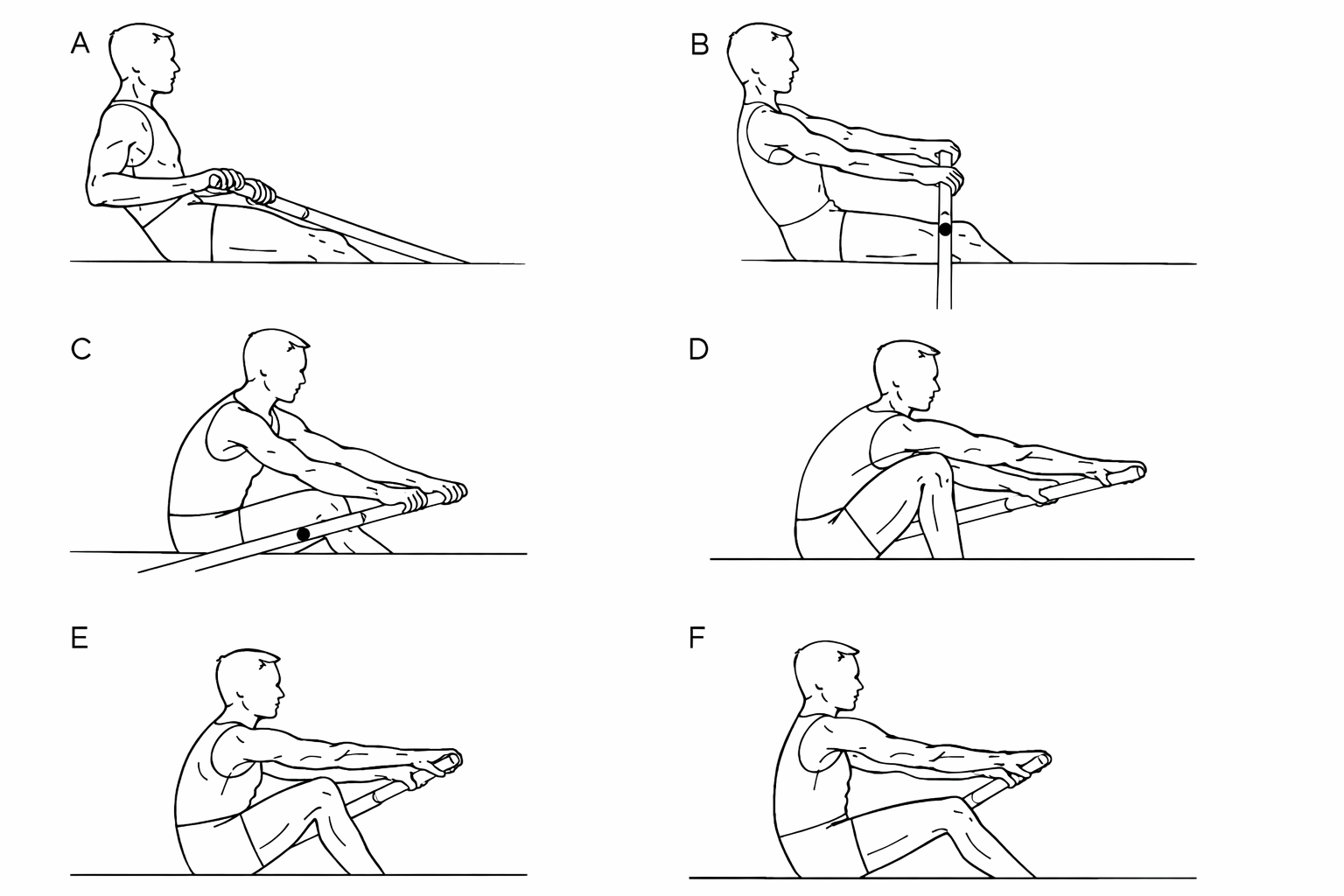
Everyone talks about the drive. Few talk about the recovery.
Coming smoothly up the slide requires control. Hamstrings manage knee flexion. Hip flexors help compress into the catch. Stability here determines whether your movement is smooth or rushed.
In choppier water, this control becomes even more important. The more stable your lower body, the more relaxed your upper body can be.
5. The Small Stabilising Muscles — The Unsung Heroes
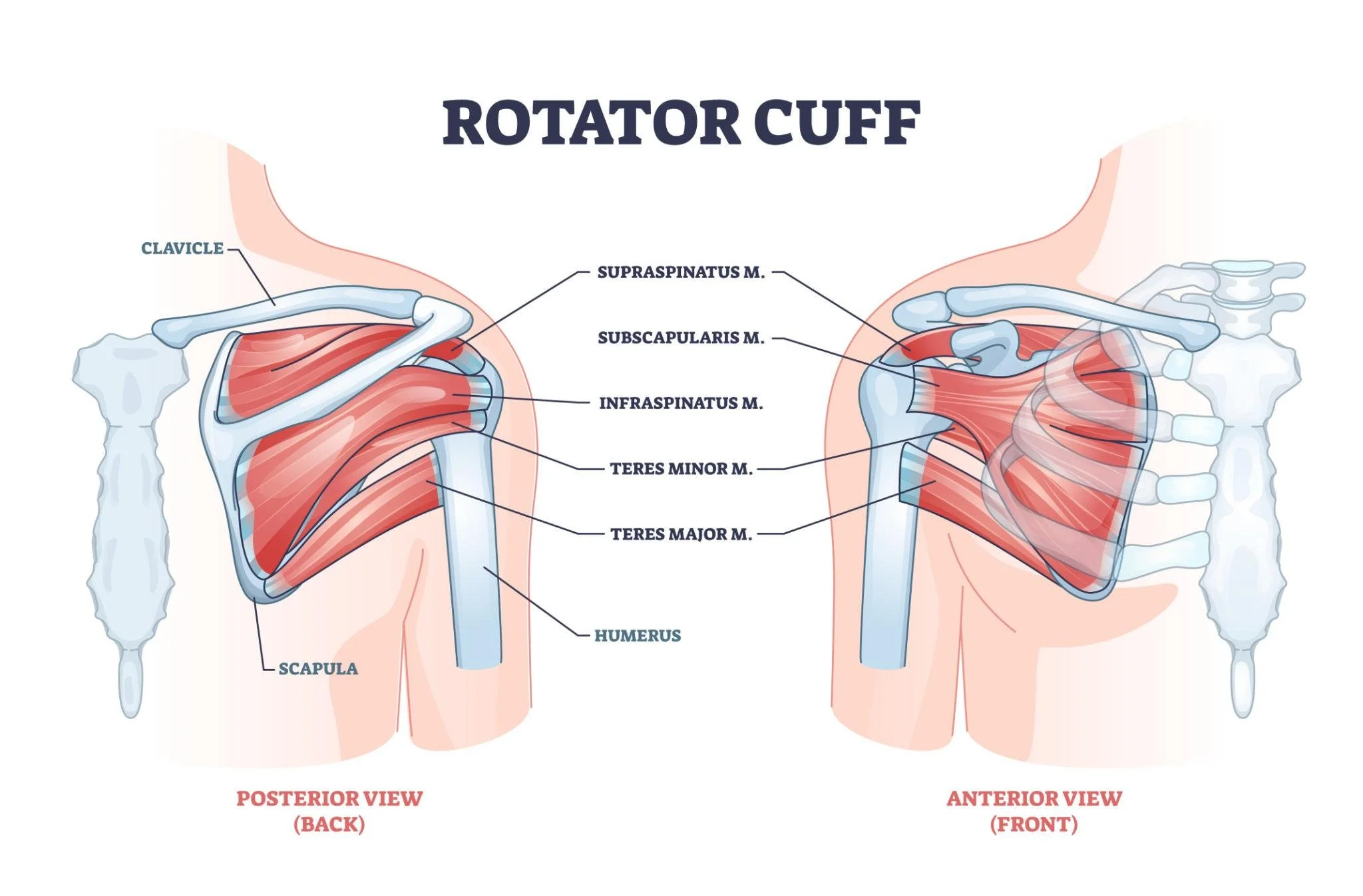
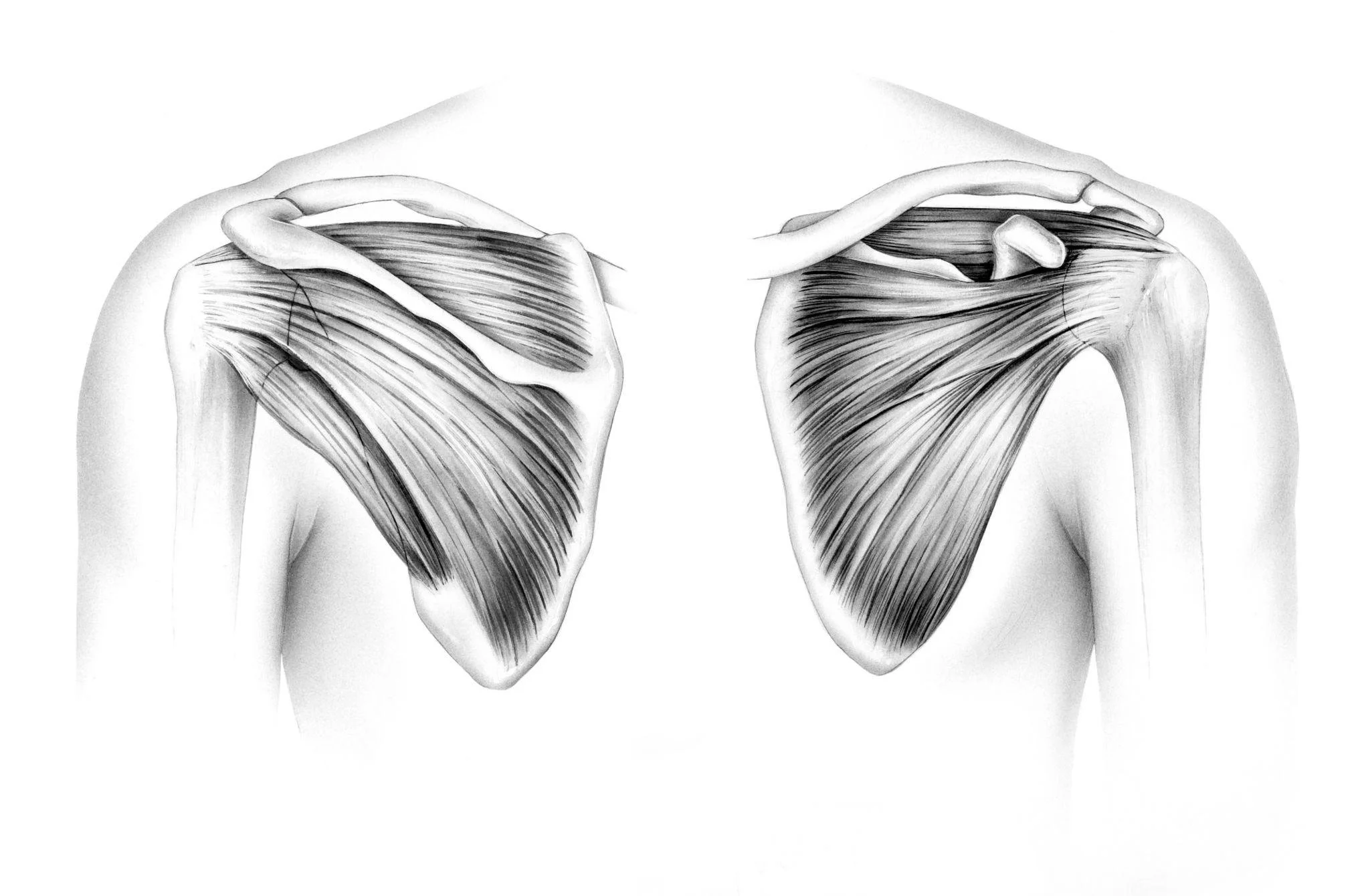
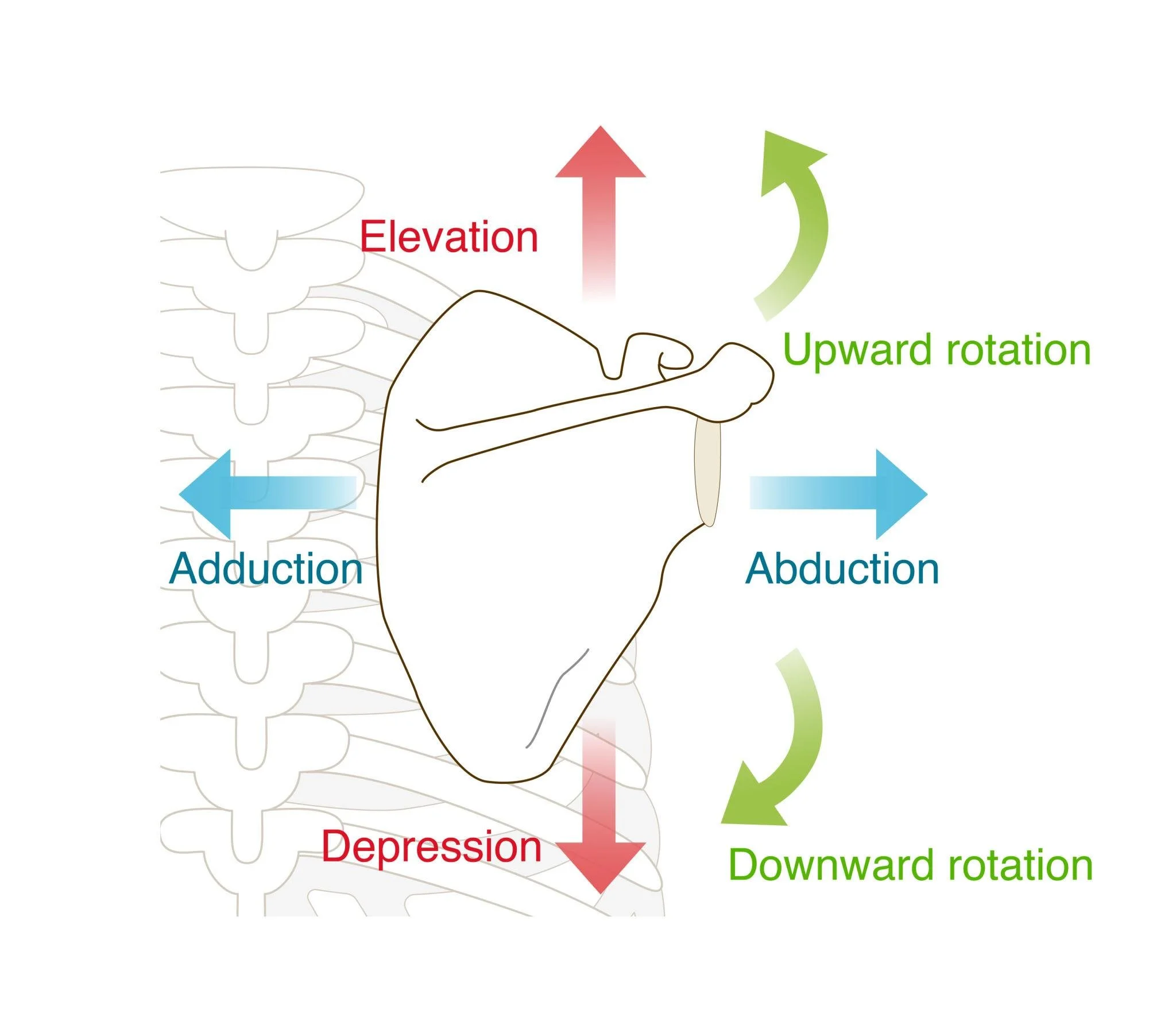
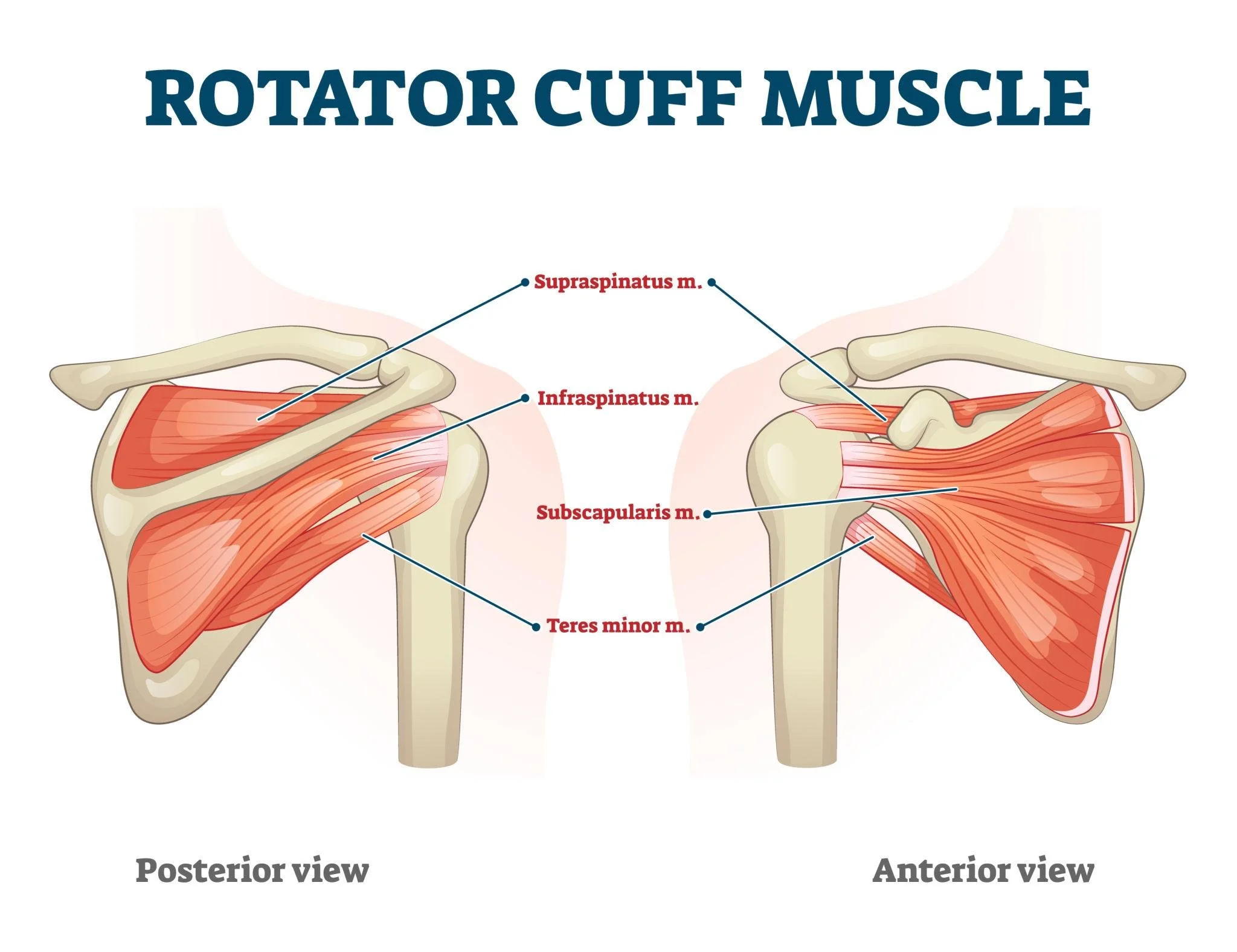
Rotator cuff. Scapular stabilisers. Deep spinal muscles.
They’re not flashy. They won’t win physique competitions. But they’re essential.
These muscles keep your shoulders healthy, your blades controlled, and your posture strong. They prevent injury. They allow repetition without breakdown.
On the sea — where the oar can catch unpredictably — they are constantly engaged, quietly protecting you.
Why This Matters
Rowing isn’t an arm sport.
It’s not just cardio.
And it’s definitely not simple.
It’s a coordinated, full-body movement that develops strength, balance, endurance, and control in ways most gym routines can’t replicate.
And perhaps that’s why rowers move the way they do — strong, upright, resilient.
Because the real work is happening beneath the surface.
Final Thought
Next time someone says, “Rowing must be great for your arms,” just smile.
You’ll know the truth.
It’s your glutes, your core, your back, your stabilisers — and your whole body working as one.